How Cancer Treatment Can Affect the Pelvic Floor, and How Physical Therapy Can Help
When someone is undergoing cancer treatment, the primary focus is understandably on treating the disease. Decisions about surgery, radiation, chemotherapy, and other medical treatments often take priority over concerns about bladder control, bowel function, sexual health, or pelvic discomfort.
This said, these concerns can become an important part of life during and after cancer treatment. Depending on the type of cancer and the treatments involved, some people experience urinary leakage, bowel urgency, constipation, sexual changes, pelvic pain, or difficulty returning to exercise.
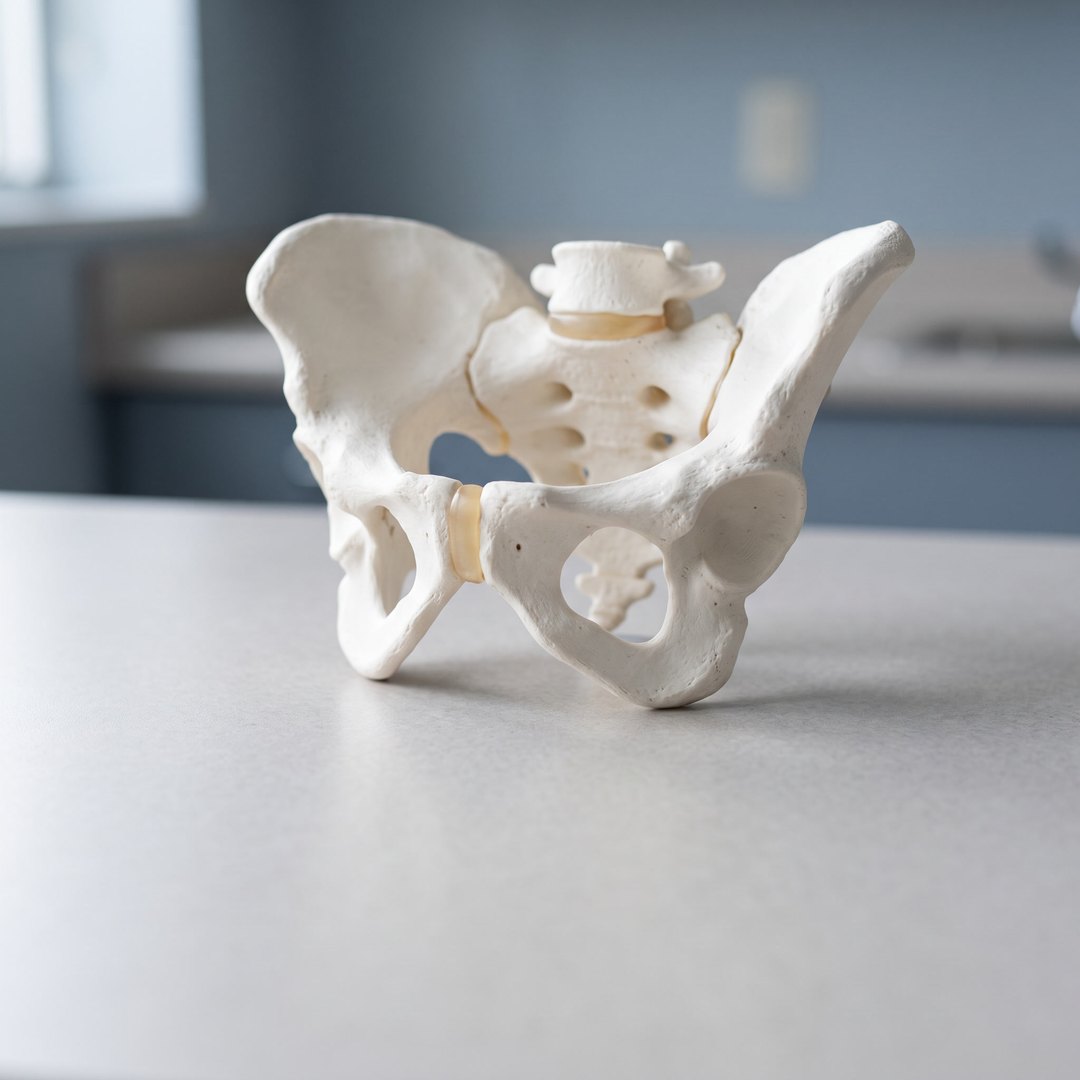
These symptoms may involve the pelvic floor, a group of muscles and supporting tissues that helps control the bladder and bowels, supports the pelvic organs, contributes to sexual function, and manages pressure during movement and exercise.
Pelvic floor physical therapy can help identify what is contributing to these symptoms and provide an individualized plan for recovery.
How Can Cancer Treatment Affect the Pelvic Floor?
Pelvic floor symptoms may occur after treatment for prostate, bladder, colorectal, gynecologic, and other cancers involving the abdomen or pelvis. Pelvic floor rehabilitation is increasingly recognized as an important part of cancer survivorship.[1]
Surgery
Operations involving the prostate, bladder, uterus, cervix, colon, or rectum can affect nearby muscles, nerves, connective tissues, and organs. Scar tissue and protective muscle tension may also change how the pelvic floor functions.
Urinary leakage is common after prostate surgery. Research supports pelvic floor muscle training as part of recovery following radical prostatectomy, particularly when patients receive instruction and supervision.[2,3]
Rectal cancer surgery may lead to bowel urgency, frequent bowel movements, incomplete emptying, or accidental leakage. This cluster of symptoms is often referred to as low anterior resection syndrome. Pelvic floor rehabilitation may help improve bowel control and quality of life for some patients.[4]
Radiation Therapy
Pelvic radiation can affect nearby muscles, nerves, connective tissue, the bladder, the bowel, and sexual organs. Over time, some tissues may become sensitive, stiff, or less elastic.
Possible symptoms include urinary or bowel urgency, leakage, pelvic pain, vaginal narrowing, pain with sexual activity, and difficulty relaxing the pelvic floor. Rehabilitation may help manage some of these concerns, although treatment must account for tissue health and each patient’s medical history.[5]
Chemotherapy and Hormone-Related Treatment
Chemotherapy may indirectly affect pelvic health through fatigue, nerve changes, reduced activity, and loss of overall strength.
Hormone-related treatments may contribute to vaginal dryness, reduced tissue elasticity, pain with penetration, erectile changes, or changes in sexual desire. These concerns may require coordinated care between the patient’s oncology team, medical specialists, and pelvic health physical therapist.
What Symptoms Might Someone Notice?
Pelvic floor related symptoms during or after cancer treatment may include:
- Urine leakage, urgency, or frequent urination
- Bowel urgency, constipation, or accidental leakage
- Difficulty fully emptying the bladder or bowels
- Pelvic, rectal, vaginal, or abdominal pain
- Pain with sexual activity
- Vaginal tightness or narrowing
- Erectile or ejaculatory changes
- Difficulty returning to exercise
These symptoms can have many causes. New or worsening symptoms should always be discussed with the appropriate medical provider.
How Can Pelvic Floor Physical Therapy Help?
Pelvic floor physical therapy begins with an evaluation of the patient’s medical history, treatments, symptoms, movement, strength, bladder and bowel habits, and personal goals.
Treatment may include:
- Pelvic floor strengthening or coordination exercises
- Relaxation training for tight or overactive muscles
- Breathing and pressure-management strategies
- Bladder and bowel retraining
- Biofeedback
- Scar and soft-tissue mobility
- Education about toileting mechanics
- Guidance for vaginal dilator use when appropriate
- A gradual return to lifting, exercise, and sexual activity
Research suggests that pelvic floor rehabilitation may improve urinary control after prostate surgery, bowel symptoms after rectal cancer treatment, and sexual function or pelvic pain following gynecologic cancer treatment.[2,4,6,7]
Pelvic Floor Therapy Is More Than Kegels
Not every pelvic floor problem is caused by weakness.
Some patients need strengthening, while others have muscles that are tense, painful, poorly coordinated, or unable to relax. Performing repeated contractions may not be helpful when the muscles are already overactive.
A pelvic health physical therapist can determine whether treatment should emphasize strength, relaxation, coordination, mobility, scar management, or changes in bladder and bowel habits.
The goal is not simply to make the pelvic floor stronger. The goal is to help it function appropriately for the individual.
When Should You Seek Help?
Bladder, bowel, sexual, or pelvic symptoms should not automatically be accepted as the “new normal” after cancer treatment.
Consider speaking with your healthcare team when symptoms persist, worsen, interfere with daily activities, limit exercise, or affect quality of life.
Prompt medical attention is important for symptoms such as unexplained bleeding, fever, inability to urinate, severe or rapidly worsening pain, new numbness or weakness, or a sudden loss of bladder or bowel control.
Pelvic floor physical therapy does not replace oncology care. Instead, it can serve as one part of a coordinated recovery plan.
Supporting the Whole Person During Cancer Recovery
Cancer recovery involves more than treating the disease. It also includes helping people return to the activities, relationships, and routines that matter to them.
Pelvic floor concerns can be difficult to discuss, but they are valid healthcare issues. With appropriate medical evaluation and individualized rehabilitation, many patients can improve function, confidence, and participation in daily life.
At One on One Physical Therapy in Atlanta, we provide a supportive environment where patients can discuss these concerns and receive care based on their medical history, symptoms, and personal goals. Learn more about our oncology rehabilitation and pelvic health physical therapy services, or contact us to schedule an evaluation.
William Knight, PT, DPT, CSCS is a physical therapist at One on One Physical Therapy. He has completed advanced training in male pelvic floor rehabilitation through the American Physical Therapy Association and the Herman & Wallace Pelvic Rehabilitation Institute.
Frequently Asked Questions
Is pelvic floor physical therapy the same as doing Kegels?
No. Kegels are one exercise, and they are not appropriate for everyone. Some patients have pelvic floor muscles that are tense, painful, or unable to relax, and repeated contractions may not help when muscles are already overactive. A pelvic health physical therapist evaluates whether treatment should emphasize strength, relaxation, coordination, mobility, scar management, or bladder and bowel habits.
Can pelvic floor physical therapy help with urinary leakage after prostate surgery?
Urinary leakage is common after prostate surgery. Research supports pelvic floor muscle training as part of recovery following radical prostatectomy, and outcomes appear better when patients receive instruction and supervision rather than exercising unsupervised.[2,3]
What is low anterior resection syndrome?
Low anterior resection syndrome refers to the bowel symptoms some people experience after rectal cancer surgery, which can include urgency, frequent bowel movements, incomplete emptying, and accidental leakage. Research has examined pelvic floor muscle training as part of managing these symptoms.[4]
Is it safe to start pelvic floor therapy during or soon after cancer treatment?
That depends on your medical situation, and it is a decision to make with your oncology team. Rehabilitation may help manage some symptoms, but treatment must account for tissue health and each patient’s medical history.[5] Pelvic floor physical therapy does not replace oncology care, and it works best as one part of a coordinated plan.
References
- Hao J, et al. Pelvic floor rehabilitation in cancer survivorship. Current Opinion in Supportive and Palliative Care. 2024. PMID: 39581933.
- Yang JM, et al. Effect of pelvic floor muscle training on urinary incontinence after radical prostatectomy: an umbrella review of meta-analyses and systematic reviews. Clinical Rehabilitation. 2023. PMID: 36305082.
- Baumann FT, et al. Supervised pelvic floor muscle exercise is more effective than unsupervised pelvic floor muscle exercise at improving urinary incontinence in prostate cancer patients following radical prostatectomy: a systematic review and meta-analysis. Disability and Rehabilitation. 2022. PMID: 34550846.
- Asnong A, et al. The role of pelvic floor muscle training on low anterior resection syndrome: a multicenter randomized controlled trial. Annals of Surgery. 2022. PMID: 35894434.
- Barcellini A, et al. The role of physical rehabilitation including pelvic floor muscle training in patients with gynecological cancer receiving radiotherapy: a narrative review. Frontiers in Oncology. 2022;12:813352.
- Brennen R, et al. The effect of pelvic floor muscle interventions on pelvic floor dysfunction after gynecological cancer treatment: a systematic review. Physical Therapy. 2020. PMID: 32367126.
- Cyr MP, et al. Improvements following multimodal pelvic floor physical therapy in gynecological cancer survivors suffering from pain during sexual intercourse: results from a one-year follow-up mixed-method study. PLOS ONE. 2022;17(1). PMID: 35077479.
This article is for general education and is not medical advice. Please discuss new or worsening symptoms with your healthcare team.