Shockwave for Tennis Elbow: A Smarter Path Back to the Court
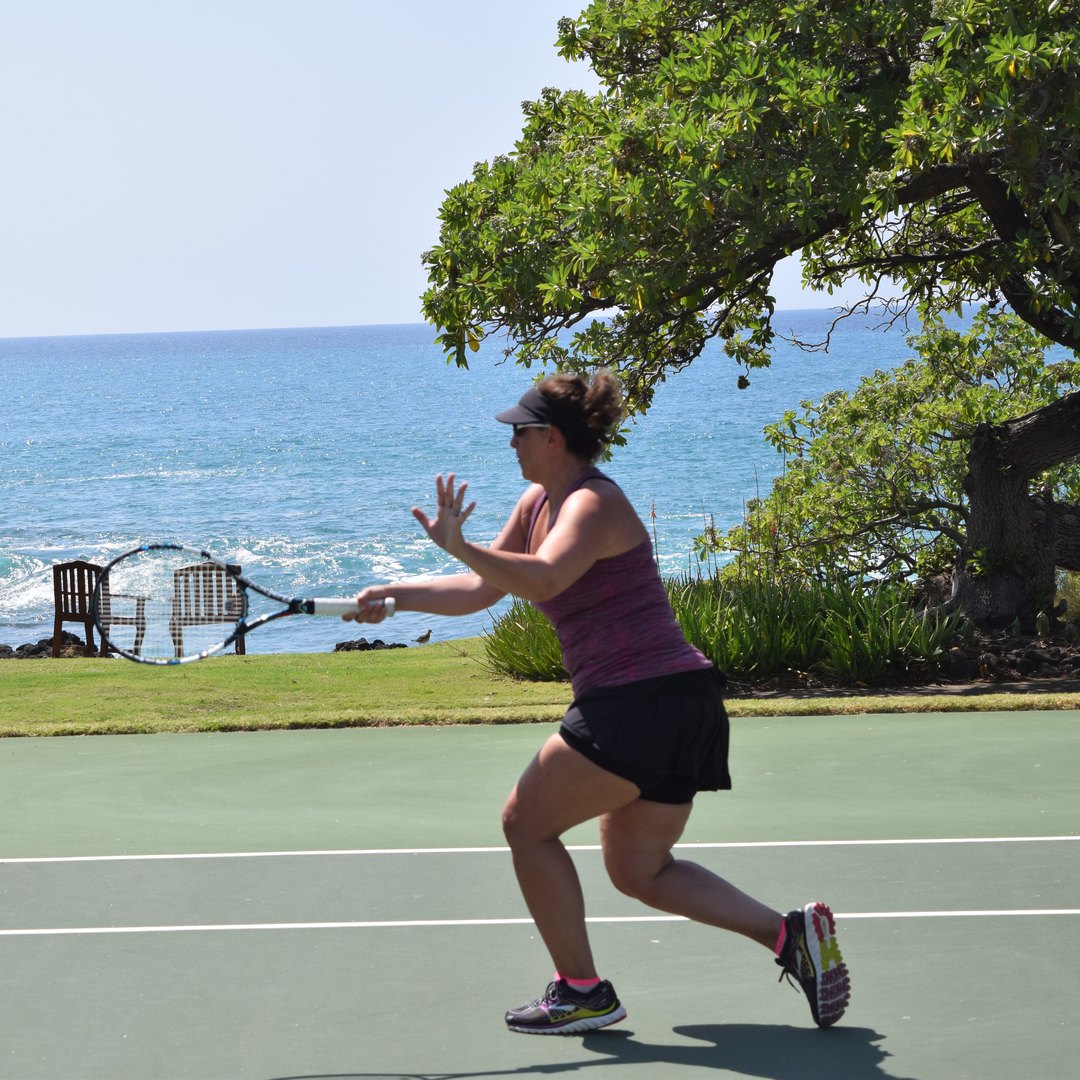
Your elbow felt better last month. You played three matches, then the pain was right back. Sound familiar?
If your tennis elbow keeps going quiet and then flaring up again, the problem usually isn’t effort. Your tendon’s healing response has likely stalled. Here’s what’s happening, why the timing matters, and how focused shockwave therapy, combined with the right strength program, may help you break that cycle.
What is Tennis Elbow?
Tennis elbow is pain on the outside of the elbow where your wrist extensor muscles attach to the bone. Its clinical name is lateral elbow tendinopathy. It isn’t mainly an inflammation problem. It’s a tendon that has been asked to handle more load than it can handle, has gotten weaker, started to fray and this overload contributes to elbow and forearm pain.
It’s most common between the ages of 35 and 55, which is exactly where many recreational players are. You’ll often notice it when you:
- Hit a backhand, especially a late or off-center one, or your backhand slice
- Grip your racquet, a coffee mug, or a gallon of milk
- Shake hands, turn a doorknob, or open a jar
- Type, use a mouse, or brush your hair
It’s also common in people who don’t play tennis at all. Gardening, lifting at the gym, new mothers lifting their babies, and long hours at a keyboard can all overload the same tendon.
Why Treating It Early Matters:
In the early weeks, a tendon is irritated but still responsive. Adjusting your load and starting the right exercises at this stage often settles symptoms faster and more completely.
The usual response is to rest it, wear a strap, push through, and hope. That works for some people. For many others, the pain lingers for months. The longer a tendon goes without the right kind of load, the more its tissue quality and strength drop. That makes every return to the court riskier.
When It Turns Chronic: The Yo-Yo Pattern
Once elbow pain has lasted three months or more, it’s generally considered chronic. The pattern is easy to spot:
- You rest, and it calms down.
- You go back to playing, and it flares.
- You rest again, and the cycle repeats.
What’s often happening underneath is a healing response that has stalled. The tendon isn’t getting the signal to fully rebuild, so it never gets strong enough for a full week of tennis. Rest alone can’t break this cycle. The tendon needs a new stimulus and a plan to rebuild its capacity.
What Focused Shockwave Does for Tennis Elbow:
Focused shockwave therapy sends concentrated acoustic pressure waves to a precise depth in the tendon. No needles, no injections, and no downtime. Sessions are quick, and most people go right back to their day.
The goal is to stimulate the biological processes involved in tendon repair. Lab and animal research suggests focused shockwave may:
- Trigger mechanotransduction, the process cells use to sense mechanical force and turn it into signals involved in tissue repair
- Increase local blood flow to an area that tends to get very little
- Stimulate tenocyte activity, including collagen production. Tenocytes are the cells that build and remodel tendon
- Calm pain sensitivity, which makes it easier to do the strength work that follows
In short, shockwave may influence the cellular processes involved in tissue repair. That’s not the same as proving it regenerates the tendon, and human studies haven’t consistently shown structural healing. What many patients do notice is less pain, which makes the strength work that drives lasting change easier to do.
What Does the Research Say?
The honest answer: the evidence for shockwave in lateral elbow tendinopathy is mixed, but it’s promising for the right patient.
- Versus placebo: Reviews of trials comparing shockwave with a sham (placebo) treatment have found small improvements in pain and grip strength, but often not large enough to be considered clinically meaningful.
- Versus cortisone injections: A 2024 review of six randomized trials found cortisone worked better at one month, while shockwave did better for pain and grip strength at three and six months. Other reviews have found smaller differences.
- Protocols differ: Results vary with the device, energy level, and number of sessions, which makes studies hard to compare.
- Mechanisms are still emerging: Much of what we know about how shockwave works comes from lab and animal studies, not human tendons.
That’s why we don’t use shockwave as a stand-alone fix. We pair it with a progressive loading program, which is a cornerstone of tendinopathy rehab.
Why Shockwave Works Best With a Loading Program:
Shockwave may help create a better environment for repair. Loading is what makes the tendon strong again.
Tendons adapt to the load you give them. A progressive tendon loading program gradually increases the demand on the tendon, so the tendon becomes stronger and more resilient. That’s why every patient we treat with shockwave also follows a loading program. A typical progression looks like this:
- Calm and load: gentle holds that ease pain while keeping the tendon working
- Build strength: slow, controlled wrist, forearm, and grip strengthening
- Connect the chain: shoulder, upper back, and trunk strength, so your elbow isn’t doing the work of your whole body
- Return to tennis: speed, power, and a gradual return to hitting
Shockwave alone may ease the pain and support the repair process, but you need to rebuild the strength in the tendon to get back on the court. Together, they address both pain and tendon capacity, which gives you the best chance of breaking the yo-yo cycle for good.
Is Shockwave Right for You?
You may be a good candidate if:
- Your outer elbow pain has lasted three months or longer
- It gets better, then comes back once you start playing again
- You’ve tried rest, a strap, or injections without lasting relief
- You want a non-invasive option that keeps you active
That’s why every plan starts with a physical therapy evaluation. Outer elbow pain isn’t always the tendon. The neck, a nerve, or the joint itself can produce similar symptoms. An evaluation tells us exactly what’s driving your pain and whether shockwave is a good fit for you.
Getting Back on the Court
Persistent tennis elbow can be frustrating, especially when symptoms improve with rest only to return once you resume playing.
Focused shockwave therapy may offer an additional option for managing persistent tendon pain, but it works best as part of a comprehensive rehabilitation approach. Progressive strengthening, appropriate load management, and a gradual return to sport remain essential components of recovery.
At One on One Physical Therapy, we focus on identifying the factors contributing to your symptoms and developing an individualized treatment plan that addresses both pain and physical capacity.
Considering Shockwave Therapy for Tennis Elbow in Atlanta?
If your elbow pain continues to interfere with tennis or everyday activities despite previous treatment, we can help you determine whether focused shockwave therapy is appropriate for you.
Learn more about shockwave therapy at One on One Physical Therapy, or schedule a physical therapy evaluation.
Melissa Baudo, PT, DPT, SCS, MTC is a Board Certified Sports Clinical Specialist and Physical Therapist at One on One Physical Therapy in Atlanta.
References
- Buchbinder R, Green SE, Youd JM, Assendelft WJJ, Barnsley L, Smidt N. Shock wave therapy for lateral elbow pain. Cochrane Database Syst Rev. 2005;(4):CD003524. doi:10.1002/14651858.CD003524.pub2
- Karanasios S, Tsamasiotis GK, Michopoulos K, Sakellari V, Gioftsos G. Clinical effectiveness of shockwave therapy in lateral elbow tendinopathy: systematic review and meta-analysis. Clin Rehabil. 2021;35(10):1383-1398. PMID: 33813913
- Zhang L, Zhang X, Pang L, Wang Z, Jiang J. Extracorporeal shock wave therapy versus local corticosteroid injection for chronic lateral epicondylitis: a systematic review with meta-analysis of randomized controlled trials. Orthop Surg. 2024;16(11):2598-2607. doi:10.1111/os.14212
- Poenaru D, Sandulescu MI, Cinteza D. Biological effects of extracorporeal shockwave therapy in tendons: a systematic review. Biomed Rep. 2023;18(2):15. doi:10.3892/br.2022.1597
This article is for general education and is not medical advice. Please discuss new or worsening symptoms with your healthcare team.