When Life Gets Busy, Pain Can Get Louder

Understanding how life’s demands influence pain—and how to help your body respond differently.
Have you ever noticed that your pain starts or gets worse during a particularly busy or stressful week?
Have you experienced pain that seems to come and go, even though you haven’t injured anything?
What if your pain isn’t always telling you something is damaged, but sometimes suggesting that your system needs attention?
These questions may change the way you think about pain.
For years, many of us have believed that pain is simply our body’s way of telling us something is injured or damaged.
But modern pain science tells us that the story is much more interesting—and encouraging.
Understanding that story can help you make sense of persistent pain and discover new ways to manage it.
The Amount of Pain Often Doesn’t Match the Amount of Tissue Damage
More pain doesn’t necessarily mean more damage. And less pain doesn’t necessarily mean healthier tissues.
Pain is a protective experience influenced by the nervous system, the condition of our tissues, previous experiences, and the circumstances of our lives.
It isn’t simply a measurement of how much damage exists in the body.
In fact, research examining people who have absolutely no pain has revealed some fascinating findings.
- Spinal discs: Approximately 80% of pain-free 50-year-olds show signs of disc degeneration on imaging.
- Rotator cuff tears: In one large study, approximately two-thirds of identified rotator cuff tears were found in people without shoulder symptoms.
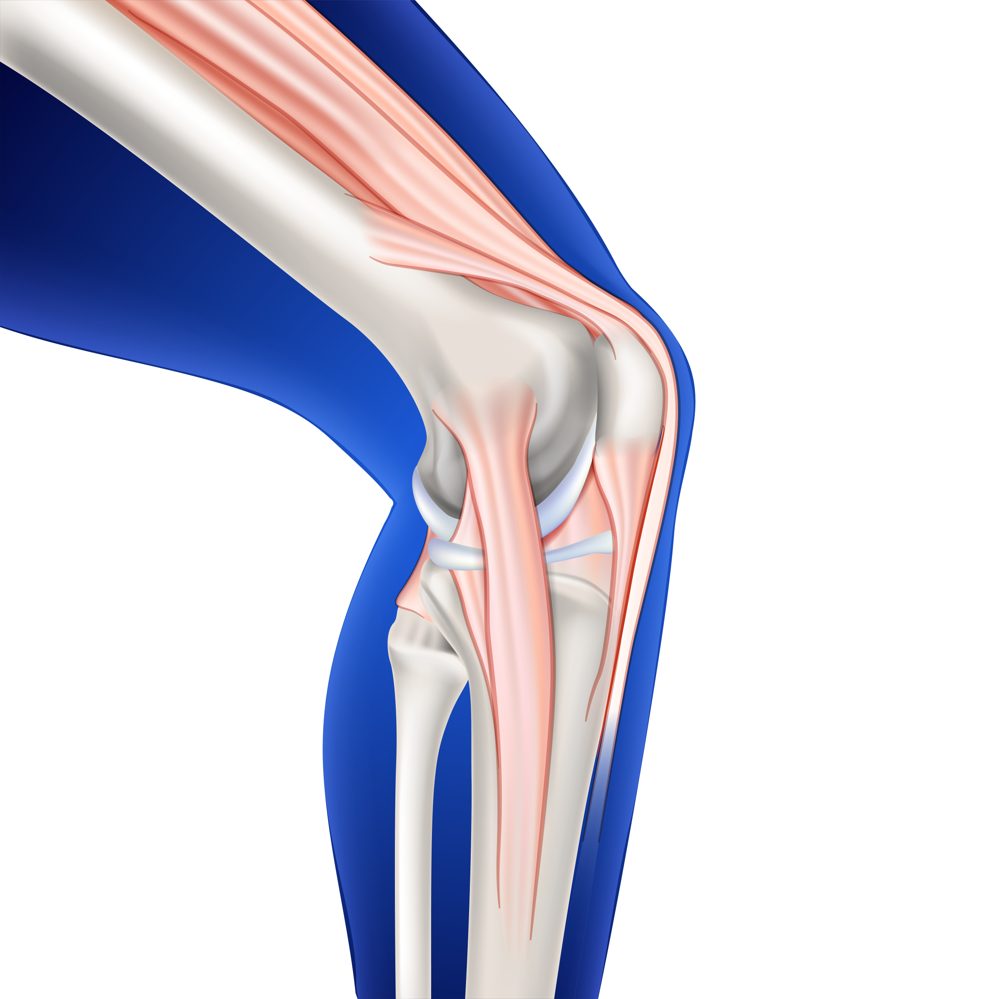
- Patellar and Achilles tendons: Researchers have identified tendon abnormalities in athletes who continue to train and compete without pain.

Think about that for a moment.
People can have disc degeneration, tendon abnormalities, and even tears in certain tissues without experiencing pain.
This doesn’t mean those findings never matter. Sometimes they absolutely do.
It means that finding something unusual on an MRI or ultrasound doesn’t automatically explain why someone hurts.
The condition of our tissues is one part of the pain experience, but it isn’t the whole story.
This understanding is consistent with the International Association for the Study of Pain’s definition of pain, which recognizes the influence of biological, psychological, and social factors.
So, What About Actual Tissue Problems?
If you have a painful tendon, a muscle injury, or another physical impairment, treating that issue can be an important part of recovery.
Consider tendinopathy, a condition involving pain and impaired function associated with a tendon.
A tendon may have undergone structural changes, become less tolerant of certain loads, or developed pain during activities that previously felt comfortable.
Appropriate strengthening and progressive loading can help improve the tendon’s capacity to tolerate physical demands. In some cases, adjusting activity temporarily allows a person to remain active while the tendon gradually becomes more capable.
The same general principle applies to many muscle and joint problems.
Improving strength, mobility, coordination, and physical capacity can make everyday activities easier and more comfortable.
But here’s where things get interesting.
Two people can have similar tissue findings and experience very different levels of pain.
One may continue participating in sports without discomfort, while another struggles with relatively simple activities.
Why?
Because pain isn’t determined by tissue condition alone.
Sleep, previous experiences, expectations, physical conditioning, nervous system sensitivity, and the demands of everyday life can all influence the experience.
That’s why effective treatment often involves addressing both the physical tissues and the system that interprets and responds to information from those tissues.
Your Body Is Always Adapting to Life
When we think about stress, we usually think about something negative.
Work deadlines. Financial concerns. Family responsibilities. Relationship difficulties.
But stress is much broader than that.
Stress is any demand placed on a system that requires adaptation.
Exercise is a stressor. Learning something new is a stressor. Caring for children, managing a business, or recovering from an illness all place demands on our bodies and minds.
Not all stress is harmful.
In fact, appropriate amounts of stress help us become stronger, healthier, and more resilient.
The challenge often comes when the excessive demands and relentless pace of modern life exceed our opportunities for recovery.
It’s not necessarily that we’re doing anything wrong. We may simply be asking our bodies and nervous systems to respond to one demand after another, without giving them enough opportunities to settle, recover, and adapt.
Consider a typical busy day.
You wake up after a restless night, rush through breakfast, navigate traffic, manage problems at work, and spend the afternoon juggling responsibilities.
When you finally get home, there are more things requiring your attention.
None of these experiences necessarily causes an injury.
But together, they can influence how your nervous system responds—including how sensitive you become to pain.
Understanding Your Body’s Regulation System
Your body has an automatic regulation system called the autonomic nervous system, which helps manage functions such as heart rate, breathing, digestion, and responses to life’s demands.
Two important parts of this system are:
- The sympathetic nervous system, which helps mobilize energy and prepares us to respond to challenges.
- The parasympathetic nervous system, which supports digestion, energy conservation, and many restorative functions.
Both are essential to healthy functioning.
The goal isn’t to eliminate sympathetic activity or remain relaxed all the time.
A healthy nervous system needs the flexibility to respond to challenges and settle when that extra effort is no longer needed.
When life’s demands are relentless, we may find ourselves spending more time feeling physically tense, alert, or unable to relax.
Learning simple regulation techniques can help us recognize these responses and practice releasing unnecessary tension.
When Your Protective System Becomes More Sensitive
Think of your nervous system like a smoke alarm.
A smoke alarm is designed to alert you to potential danger.
But imagine if that alarm became overly sensitive.
Suddenly, a little steam from the stove sets it off.
There’s no fire, but the alarm sounds anyway.
Something similar can happen with persistent pain.
Your nervous system continuously processes information from your body and your environment.
When that system becomes more sensitive, activities or sensations that were previously comfortable may begin to feel painful.
This is one way to understand pain sensitization, a process involving increased responsiveness within the nervous system.
The pain is real, even when the level of pain doesn’t reflect the amount of tissue damage.
This doesn’t mean your nervous system is broken or that the pain is imaginary.
It means your protective system may be responding more strongly than the situation requires.
And here’s the encouraging part:
Your nervous system can learn and adapt. Its sensitivity can change.
Could Your Pain Be Telling You Something About Your Life?
When pain increases, our first thought is often:
“What did I do to injure myself?”
Sometimes that’s the right question.
But when pain persists or fluctuates without an obvious injury, another question may be helpful:
“Could my pain be telling me that I need to regulate my system because of the way I’ve been moving through life?”
Perhaps you’ve been working long hours, sleeping poorly, worrying about responsibilities, or rarely allowing yourself opportunities to recover.
Maybe you’re maintaining unnecessary muscle tension throughout the day without even realizing it.
Your shoulders remain elevated. Your jaw stays clenched. Your breathing becomes shallow. Your muscles remain engaged even when they don’t need to be.
These responses aren’t necessarily harmful on their own, but they can contribute to fatigue, discomfort, and greater demands on your system.
Pain doesn’t tell us exactly which factors are responsible, and it certainly doesn’t mean you’re doing something wrong.
But it can encourage us to look at the bigger picture.
And sometimes, that bigger picture reveals opportunities for meaningful change.
You Don’t Always Need to Do Less. Often, You Can Learn to Move Through Life With More Ease and Flow.
We all have responsibilities.
Work needs to get done. Families need our attention. Life doesn’t always allow us to eliminate demanding situations.
And we don’t necessarily need to.
Sometimes the answer isn’t changing what we’re doing. It’s learning to move through our activities with a more natural, flowing effort—using what we need without carrying unnecessary tension.
When we’re rushing, concentrating intensely, or feeling overwhelmed, we may unknowingly maintain more muscular tension than a task requires.
Over time, this heightened effort can become so familiar that we barely notice it.
Fortunately, we can practice changing that response.
Try This: A 30-Second Regulation Break
The next time you’re working through a busy day, take a brief moment to notice what your body is doing.
- Breathe in comfortably while gently tightening the muscles in your shoulders, arms, or hands.
- Exhale slowly, releasing the tension and allowing those muscles to soften.
- Repeat for two or three breaths, noticing the difference between tension and relaxation.
Then return to your activity.
That’s it.
You haven’t eliminated your responsibilities or changed your schedule.
But you’ve given your body an opportunity to recognize and release unnecessary tension.
This is a brief variation of progressive muscle relaxation, a technique that helps us become more aware of muscular tension and practice letting it go.
You can use these short regulation breaks throughout the day—between meetings, during work, or whenever you notice yourself becoming tense.
The goal isn’t to force relaxation or eliminate every stressful thought.
It’s to help your system become more adaptable, so you can respond to life’s demands without maintaining more physical effort than necessary.
You can remain productive, engaged, and active while learning to move through your day with greater ease.
Movement Is Part of the Solution
When people experience persistent pain, they often become cautious about movement.
That’s understandable. Nobody wants to make an injury worse.
But when serious injury and other concerning conditions have been ruled out, avoiding more and more activities can sometimes reduce physical capacity and increase fear of movement.
Appropriate movement can help reverse that process.
Walking, strengthening, gradually loading sensitive tissues, and returning to meaningful activities can improve physical capacity while helping the nervous system develop greater confidence in movement.
The goal isn’t to ignore pain or push through everything.
It’s to understand what your body needs, find an appropriate starting point, and gradually build tolerance.
This approach is consistent with modern biopsychosocial pain care, which considers physical, psychological, and social influences together.
We want to make sure you’re safe to move, but just as importantly, we want you to feel safe to move.
The Goal Is to Get Your Life Back
Persistent pain can gradually shrink a person’s world.
People stop exercising, traveling, playing with their children, enjoying hobbies, or participating in activities they once loved.
Sometimes this happens because they’ve come to believe that pain always means damage.
But when we begin to understand the many factors influencing pain, we gain more options for addressing it.
We can treat painful tissues, improve strength and physical capacity, create better recovery habits, learn to regulate unnecessary tension, and gradually rebuild confidence in movement.
And perhaps most importantly, we can begin viewing our bodies as adaptable rather than fragile.
Pain is a signal, not a life sentence.
You don’t need to eliminate every stressor, stop working, or wait until life becomes perfectly calm to begin making progress.
Sometimes the path forward begins with understanding your pain, recognizing the demands placed on your system, and learning how to respond with greater efficiency and less unnecessary effort.
Your body is designed to adapt. Your nervous system is capable of learning.
And with the right understanding and guidance, you can begin moving toward a life that feels less limited by pain.
Our approach to physical therapy considers the whole person—not just the painful area. By combining appropriate tissue treatment, movement, education, and practical regulation strategies, we help patients rebuild confidence, improve function, and return to the activities that matter most.
If your pain flares when life gets busy, we can help you sort out what is driving it and build a plan that fits your week. Schedule an evaluation at One on One Physical Therapy.
Lance Cross, PT, MPT, OCS, CMTPT is a physical therapist at One on One Physical Therapy in Atlanta.
Selected Research
- Brinjikji W, et al. (2015). Systematic Literature Review of Imaging Features of Spinal Degeneration in Asymptomatic Populations. American Journal of Neuroradiology. https://doi.org/10.3174/ajnr.A4173
- Yamamoto A, et al. (2010). Prevalence and Risk Factors of a Rotator Cuff Tear in the General Population. Journal of Shoulder and Elbow Surgery. https://doi.org/10.1016/j.jse.2009.09.011
- Cook JL, et al. (2000). Patellar Tendinosis in Elite Junior Basketball Players: A Controlled Clinical and Ultrasonographic Study. British Journal of Sports Medicine.
This article is for general education and is not medical advice. Please discuss new or worsening symptoms with your healthcare team.